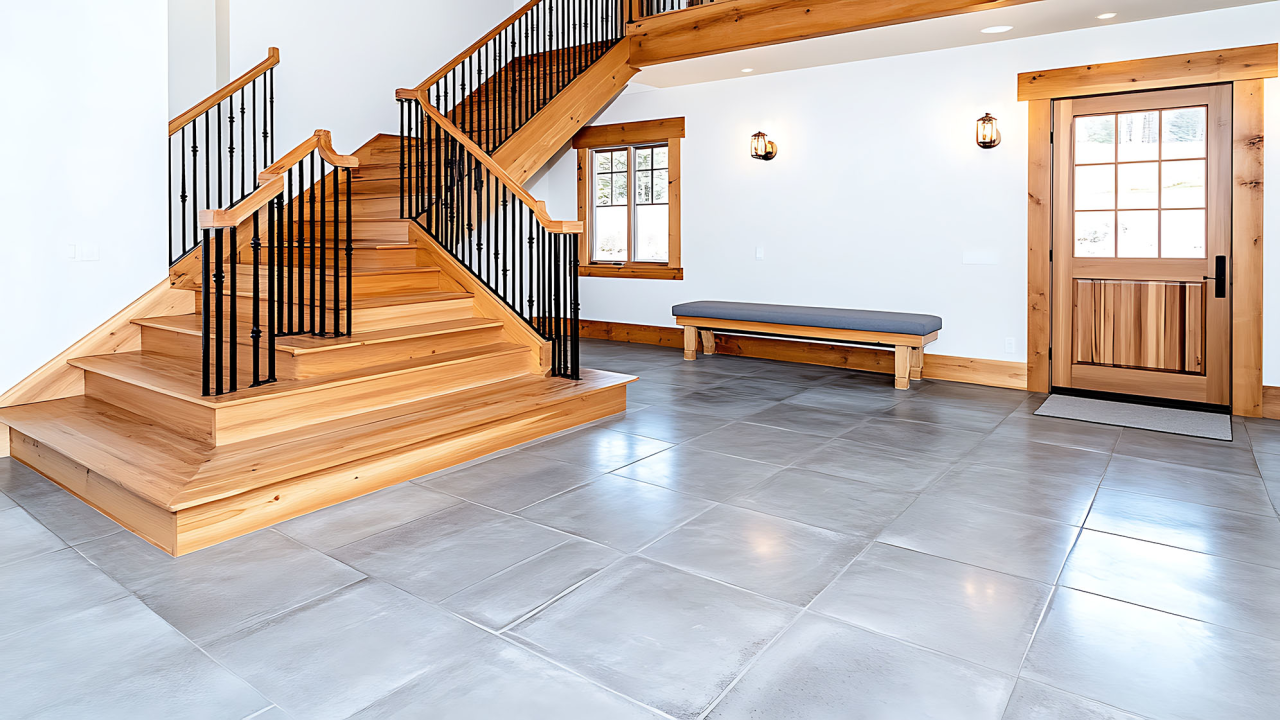
Choosing the right tile involves more than picking a color or pattern. The surface finish plays a major role in how a room feels, how light moves through the space, and how much daily maintenance the surface requires. Matte and glossy tiles each offer distinct practical advantages, and picking the right one depends heavily on where the tile is being installed and how the space is used.
Understanding the Difference in Texture and Appearance
The primary distinction between matte and glossy tiles comes down to the surface treatment applied during manufacturing. Glossy tiles feature a smooth, polished glaze that creates a shiny surface. This high-sheen coating reflects both natural and artificial light, making spaces feel brighter and visually larger.
Matte tiles, on the other hand, feature a flat finish that absorbs light rather than reflecting it. The result is a muted, natural appearance with a soft visual texture. Matte surfaces excel at hiding minor imperfections, smudge marks, and dried water spots, making them a popular choice for homeowners seeking a low-maintenance, grounded aesthetic.
Where Matte Tiles Work Best
Matte tile is a practical choice for areas where traction and durability are top priorities. Because the surface is non-reflective and slightly micro-textured, it offers superior slip resistance compared to polished options.
Bathroom Floors and Showers: Moisture is a constant factor in bathrooms. Matte tile provides essential foot traction when wet, significantly reducing slip hazards in shower pans and main bath floors.
Entryways and Mudrooms: High-traffic entry points collect dirt, mud, and water. A matte finish disguises tracking and shoe prints much better than a shiny surface would.
Open Living Spaces: If you prefer a contemporary, relaxed, or rustic style, matte floors ground the space with an understated look that does not compete with furniture or wall decor.
Where Glossy Tiles Excel
Glossy tile brings energy and depth to interior spaces. Its reflective quality works wonders in smaller or darker rooms, effectively acting as a mirror to bounce light across surfaces.
Small Powder Rooms and Compact Baths: Light reflection expands tight quarters. A glossy wall tile can instantly make a small powder room feel open and airy.
Kitchen Backsplashes: Kitchen walls are prone to cooking splatters, grease, and sauce drips. Glossy ceramic or porcelain tiles wipe clean effortlessly with a damp cloth, as dirt cannot easily stick to the slick finish.
Feature Walls: If you want to build a focal wall in a dining area or shower enclosure, glossy tile draws the eye instantly and adds a touch of polish to the room.
Key Maintenance Considerations
When deciding between matte and glossy finishes, consider your cleaning habits. Glossy tiles are exceptionally easy to wipe down because of their non-porous finish, but they reveal water spots, dust, fingerprints, and smudges very quickly. You may find yourself wiping them down more frequently to maintain that pristine shine.
Matte tiles require less frequent spot cleaning because their surface naturally hides dust, streaks, and minor scuffs. However, cleaning deep grime off a textured matte surface can sometimes take a bit more scrubbing effort than running a cloth across a polished tile.
Finding the Balance in Your Home
You do not have to pick just one finish for your entire project. Combining matte floor tiles with glossy wall tiles is a proven design strategy. For example, installing a matte porcelain floor in a bathroom guarantees safety underfoot, while using glossy subway tile on the shower walls maximizes brightness and simplifies cleaning.
Evaluating lighting, room size, foot traffic, and your lifestyle will help you select the ideal finish for every surface.