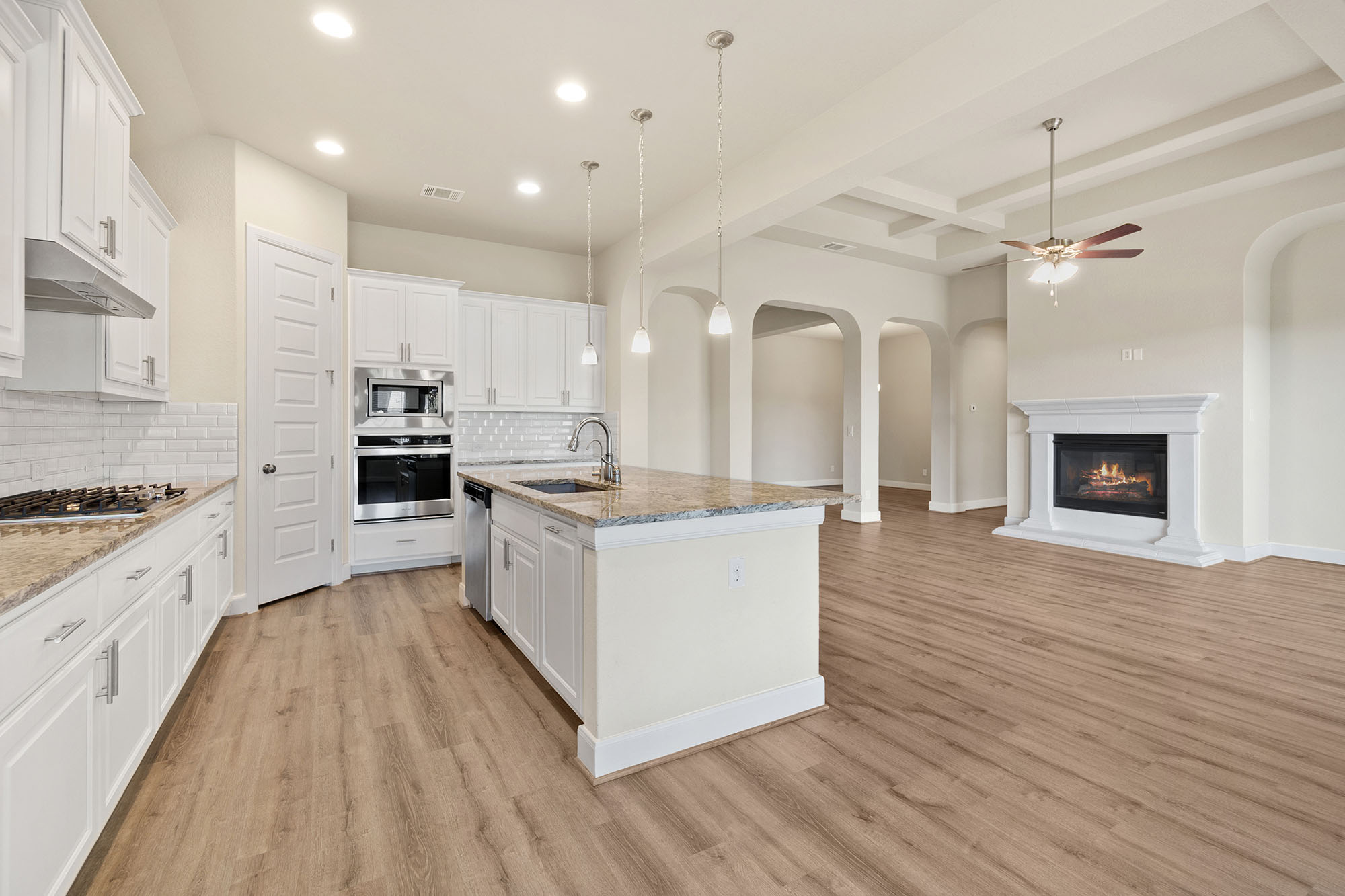
Installing new laminate flooring is one of the most satisfying home improvement projects you can undertake. Modern laminate planks offer incredible durability, realistic wood-grain textures, and simple click-lock assembly. However, skipped prep steps can lead to warping, buckling, or unwanted gaps after installation. The most critical step before laying down a single plank is proper acclimation.
What Is Acclimation and Why Is It Necessary?
Laminate flooring is constructed with a high-density fiberboard (HDF) core made from natural wood fibers. Because wood naturally responds to temperature and humidity, laminate planks expand when exposed to moisture or heat and contract when conditions cool down or dry out.
Acclimation is the process of allowing your new flooring materials to adjust to the specific temperature and humidity levels of the room where they will be installed. If you skip this step and install planks straight out of the delivery truck, the boards may expand after being clicked together, causing edges to peak or buckle upward across the room.
Ideal Room Conditions Before You Begin
Before bringing the boxes of laminate inside, your installation space must meet normal living conditions. You should not attempt to acclimate flooring in a home without operational climate control.
Temperature: Keep the room temperature between 65°F and 75°F (18°C to 24°C) for at least 48 hours before delivery and throughout the acclimation period.
Humidity: Maintain relative indoor humidity between 35% and 55%. High humidity can force wood fibers to swell prematurely.
Enclosed Structure: Permanent doors and windows must be installed, and any wet construction tasks—such as drywall taping, painting, or concrete pouring—must be completely finished and cured.
Step-by-Step Instructions for Proper Acclimation
Following a clean, systematic acclimation routine ensures long-term floor performance.
Deliver to the Correct Room: Place the sealed boxes directly in the room where the flooring will be laid, rather than in a garage, basement, or porch.
Lay Boxes Flat: Keep the unopened boxes lying flat on the subfloor. Do not lean individual planks or boxes vertically against walls, as this causes bowing.
Cross-Stack for Airflow: Stack boxes flat in a grid pattern, alternating direction with each layer (like a log cabin). Leave a few inches of space around stacks so air circulates evenly around every package.
Wait at Least 48 Hours: Allow the boxes to sit undisturbed in the controlled environment for a minimum of 48 full hours. In extreme climates or during severe weather shifts, extending this period to 72 hours provides extra protection.
Keep Packaging Sealed: Keep the plastic wrap and cardboard boxes sealed during acclimation unless the manufacturer’s specific instructions explicitly state otherwise.
Common Acclimation Pitfalls to Avoid
Even experienced DIY enthusiasts sometimes make small errors during acclimation. Avoid storing boxes directly against exterior walls or radiant heat sources like radiators and air vents. Never store laminate on unconditioned, damp concrete subfloors without placing a moisture barrier or plastic tarp underneath the stack.
By respecting the materials and giving your laminate flooring adequate time to equalize with your home's indoor atmosphere, you lay the groundwork for a smooth, flat installation that will look great for years.